


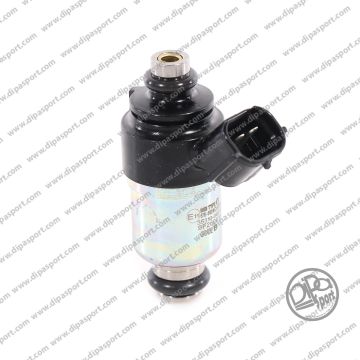
Kia Hyundai 1.0 Lpg Pressure Reducer

- DiPa Code:
- GPLRG012N
- OEM Code:
- 3312004300
- Brand:
- ORIGINALE
- Cod.Cross:
- Condition:
- New
Applications
HYUNDAI
HYUNDAI i10 II (BA, IA)
| Model | Year of Production | Displacement | KW | HP | Cylinders | Fuel Type | Engine Code |
|---|---|---|---|---|---|---|---|
| GRAND i10 II (BA, IA), i10 II (BA, IA) | 2014-02-01 - 2019-12-01 | 998 cc | 49 KW | 67 HP | 3 Cylinders | Benzina/Gasauto (GPL) | B3LA |
KIA
KIA PICANTO II (TA)
| Model | Year of Production | Displacement | KW | HP | Cylinders | Fuel Type | Engine Code |
|---|---|---|---|---|---|---|---|
| MORNING II (TA), PICANTO / EKO TAXI II (TA), PICANTO II (TA) | 2013-08-01 - 2017-03-01 | 998 cc | 49 KW | 67 HP | 3 Cylinders | Benzina/Gasauto (GPL) | B3LA |
Techinical Info
The pressure reducer with the original OE code 3312004300 is a fundamental component of the LPG system installed at the factory on certain Hyundai and Kia models. The main function of the reducer is to lower the pressure of the LPG gas coming from the tank, transforming it from a liquid phase to a gaseous phase and stabilizing it for injection into the engine. This component works in conjunction with the electronic management system of the LPG supply, ensuring the correct fuel delivery under all operating conditions.
Technical characteristics
The OE 3312004300 reducer has the following main features:
- Type: LPG pressure reducer
- Application: LPG systems factory-installed on vehicles
- Equivalent internal code: GPLRG012N
- Transformation phase: from liquid LPG to gaseous LPG
- Cooling: water-cooled, via connection to the engine cooling circuit
- Structure: metal body with internal membranes and valves
- Regulated outlet pressure: low pressure (typically between 0.9 and 1.5 bar)
- Integrated sensors: can incorporate or interface with gas temperature and pressure sensors
DIPA offers a range of original and aftermarket spare parts of equivalent quality.
Functionality
The pressure reducer manages the conversion of LPG from liquid to gaseous state in a controlled manner, ensuring the engine receives a constant and correct pressure for injection. The reduction phase occurs through one or more expansion chambers, with internal membranes and valves that regulate the flow based on the engine's demand. The transfer only occurs when the engine is at temperature and pressure conditions are stable. The engine's cooling circuit prevents the reducer from freezing due to gas expansion.
Make and model on which the part is installed
Hyundai
- i10
Kia
- Picanto
DIPA recommends always verifying the compatibility of the spare part before purchase.
Defects and causes
Among the most common faults found in the LPG pressure reducer 3312004300 are:
- Gas leak: caused by wear of internal membranes or gasket failure
- Incorrect pressure regulation: caused by stuck valves, blockages, or mechanical damage
- Reducer freezing: if the cooling circuit is inefficient or contains air bubbles
- GPL supply blockage: caused by impurities in the gas or clogged internal filter
- Delivery fluctuations: due to inlet pressure variations or internal malfunctions
- General wear: after many kilometers or years of use, internal components lose efficiency
These faults can cause automatic switching to gasoline, engine warning lights, power loss, or difficulty starting when cold.
Final conclusions
The pressure reducer with OE code 3312004300 is an essential component for the safe and efficient operation of factory-installed LPG systems on Hyundai i10 and Kia Picanto models with 1.0 three-cylinder engines. Its wear can lead to significant fuel supply and engine performance issues.
DIPA provides new, original, and aftermarket components of equivalent quality ready for installation, with warranty and compatibility across all affected models. Ask about the availability of ready-stock spare parts for quick replacements and reduced vehicle downtime.
Related Products
- DiPa Code:
- INJB234N
- OEM Code:
- 3531004610
- Condition:
- New
- Brand:
- ORIGINALE